.png)

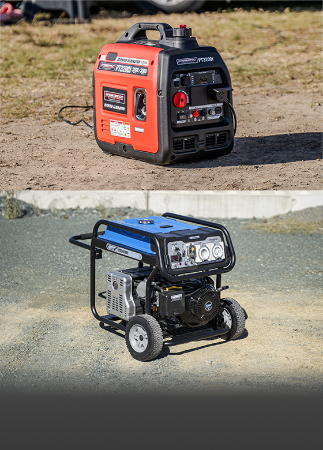
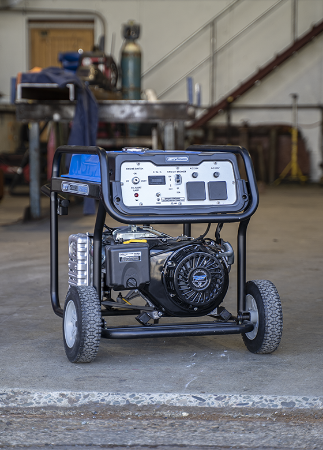
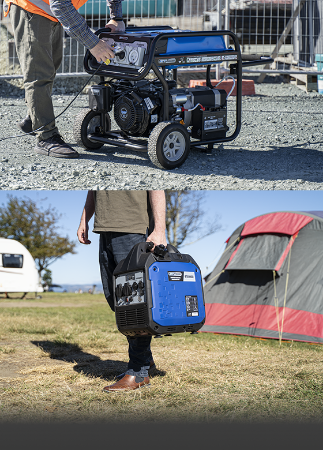
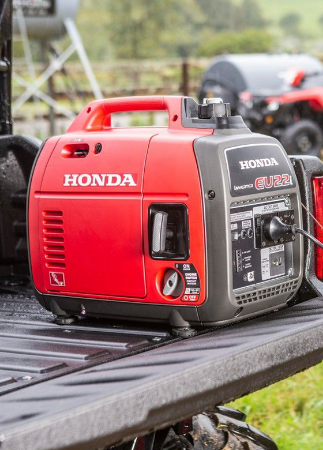
- Maximum Power Output (W)
Generators
Not sure what size you need? Use our free Generator Size Calculator to find the right generator for your setup.
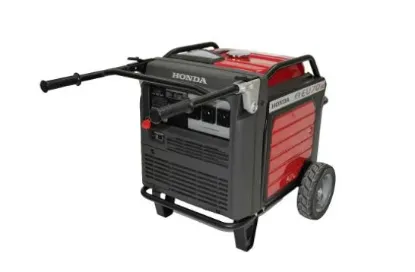
EU70IS32 Honda 8.7kVA Inverter Generator c/with 32amp Power Outlet.
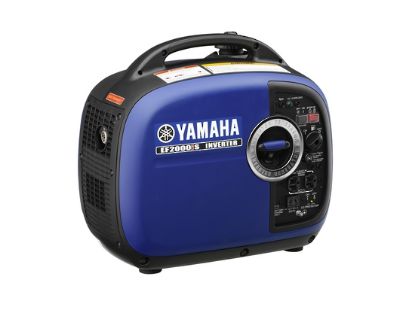
YAMAHA EF2000is | 2000W Portable Quiet Inverter/Pure Sine Wave Generator
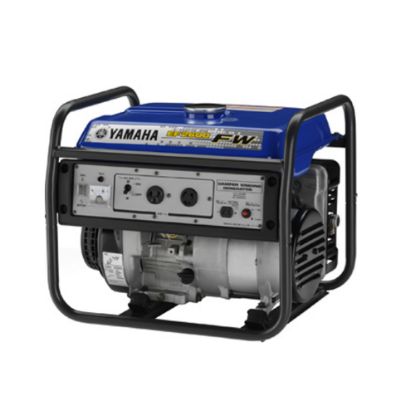
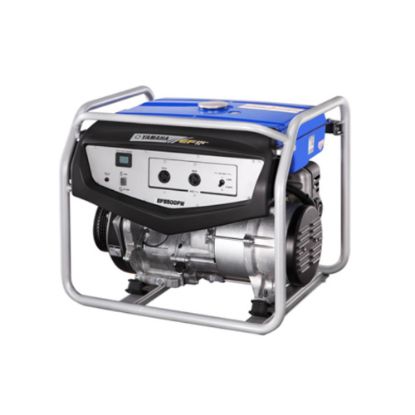
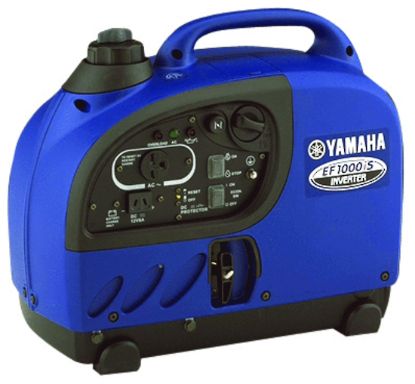
YAMAHA EF1000is | 1000W Portable Quiet Inverter/Pure Sine Wave Generator
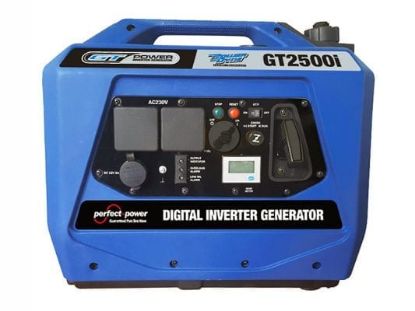
GT Power 2400W Silenced Inverter Generator
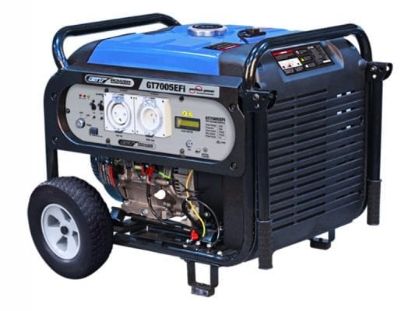
GT Power 7000W Digital Inverter Generator w/ EFI
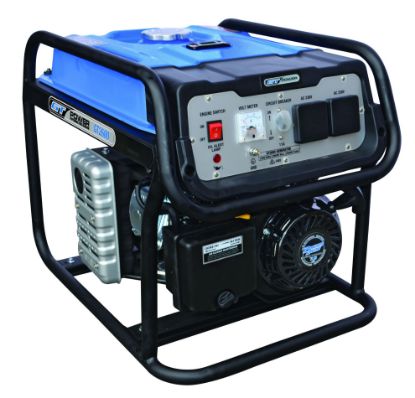
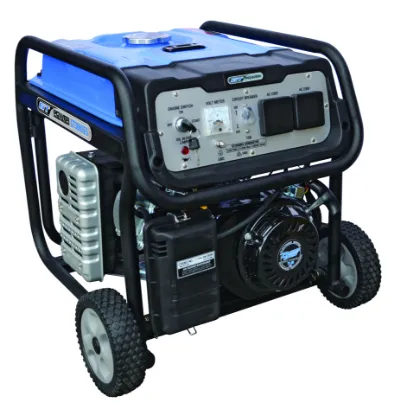
GT Power 2800W Electric Start Generator
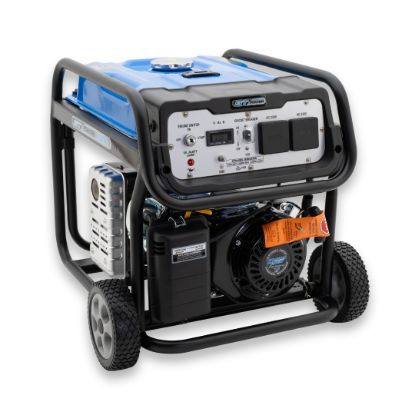
GT Power 3800W Electric Start Generator
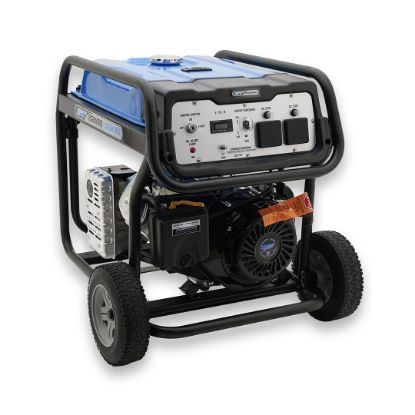
GT Power 5500W Electric Start Generator
Generator Shop is a New Zealand-owned supplier of petrol, diesel, inverter and conventional generators for home backup, worksites, farms, camping and off-grid living. With over 500 models - from 500 W camping units to 22.5 kVA three-phase workhorses - plus in-house technicians who service what they sell, we help Kiwis match the right generator to the job. Not sure where to start? Our free Generator Size Calculator sizes a unit to your exact appliance list in minutes.
What New Zealanders use generators for
Generators are bought for four main reasons. Home backup keeps the fridge, freezer, lights and internet running through a storm outage or a rural power cut. Worksite and trade power runs saws, compressors, welders and battery chargers where there's no mains. Camping, caravan and boating need quiet, portable power for lights, a chilly bin and device charging. Off-grid and solar setups use auto-start generators to top up batteries on cloudy days. Each use case points to a different type, size and feature set.
How to choose the right generator
Start with running watts - add up everything you'll run at once, then leave 20-25% headroom for the surge when motors and compressors start.
A fridge, some lights and a TV need roughly 2,000-3,000 W; add an NZ electric jug (around 2,400 W on its own) or a heat pump and you're quickly past 5,000 W.
Next choose fuel: petrol for portability and lower upfront cost, diesel for long runtimes and fuel economy, dual-fuel for flexibility.
Then pick type: inverter for sensitive electronics, conventional for raw output.
Finally match features to the job - electric or auto-start, silenced casing, single- or three-phase. The Size Calculator does this maths for you.
Frequently asked questions
What size generator do I need for my house?
For essentials - fridge/freezer, lights, Wi-Fi, phone charging and a TV - most NZ homes are covered by a 3,000-4,000 W generator. Add high-draw items like an electric jug, microwave or heat pump and you'll want 5,000-8,000 W. Run your appliance list through our Generator Size Calculator for an exact figure.
Petrol, diesel or inverter - which is best?
Petrol generators are the most affordable and portable, diesel models run longer on less fuel and last longer under heavy use, and inverter generators produce clean, stable power safe for laptops, phones and modern appliances. The right choice depends on how long you'll run it and what you're powering.
What's the difference between running watts and starting watts?
Running (rated) watts is the continuous power a generator supplies; starting (surge) watts is the short burst it delivers when a motor kicks in. Fridges, pumps and compressors can draw two to three times their running watts at start-up, so always size to the surge, not just the running total.
Do you deliver generators across New Zealand?
Yes. We dispatch NZ-wide from our Nelson and Auckland warehouses, with free delivery on orders over $50, and you can also Click & Collect. We're NZ-owned and our in-house technicians service what we sell.




.png "Logo of Generator Shop")
