.png)

- Maximum Power Output (W)
Conventional Generators NZ
Not sure what size you need? Use our free Generator Size Calculator to find the right generator for your setup.
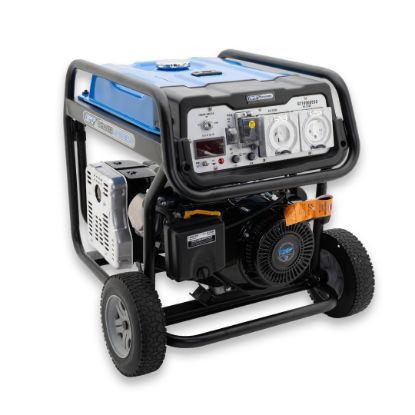
GT10000ES Petrol Generator 9000w Max Output, with 32A & 15A Power Outlet Sockets.
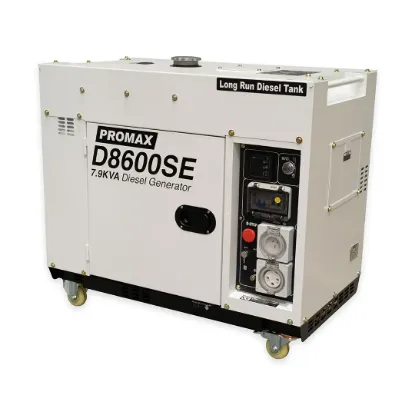
Promax D8600SE 7.9kVA Diesel Generator, with 2-wire start module.
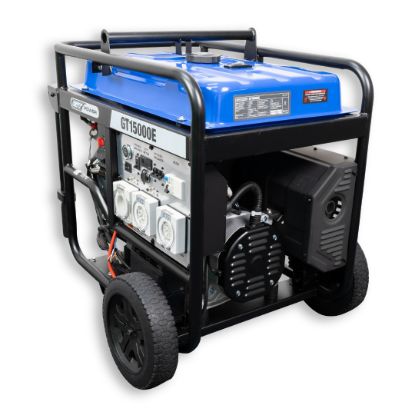
GT Power GT15000E Heavy-Duty Conventional Generator – 11.5 kW/14.4kVA
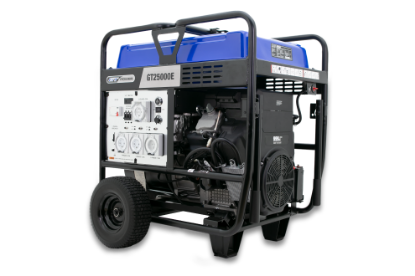
GT Power Generator 18000W 3Ph / 1Ph Electric Start Generator
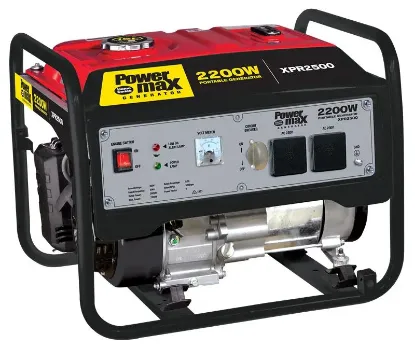
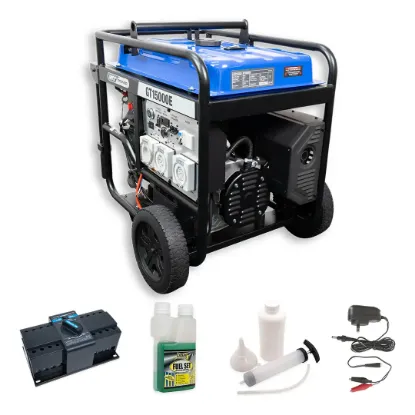
GT Power GT15000E Conventional Generator Solar Backup Package
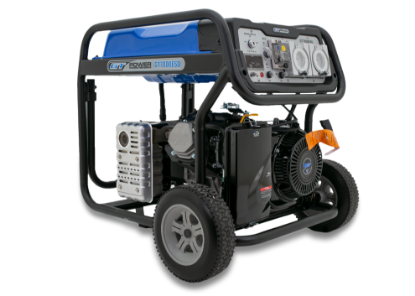
GT Power 7500W Generator w/ Tomahawk Square Alternator
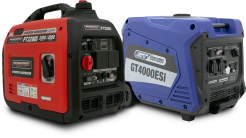
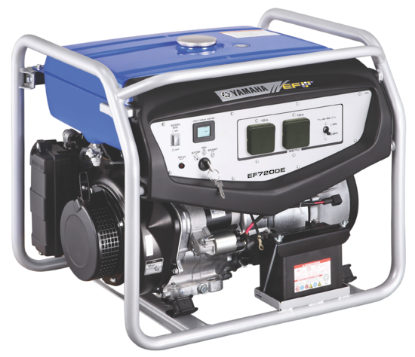
EF7200E Yamaha Petrol Generator 6000W - Electric Start
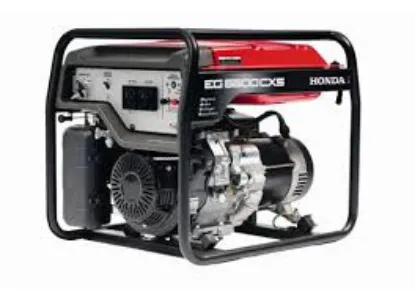
6.9Kva Framed Honda Generator with Digital AVR, Oil Alert, Recoil Start, 50hz
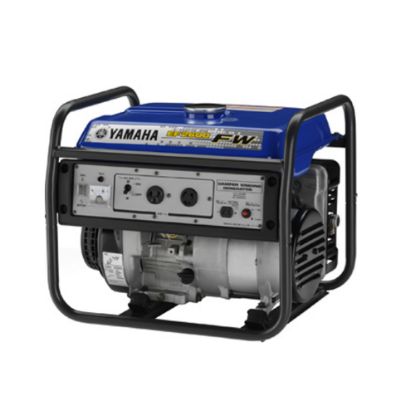
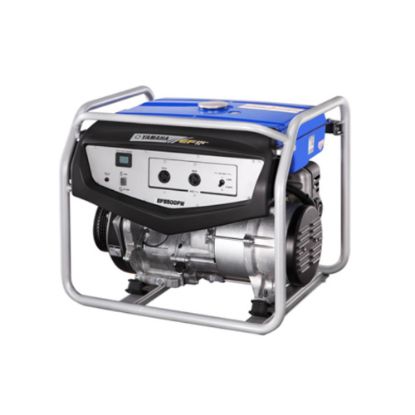
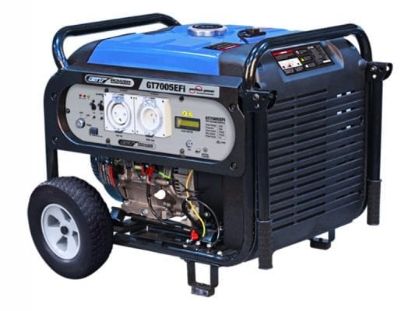
GT Power 7000W Digital Inverter Generator w/ EFI
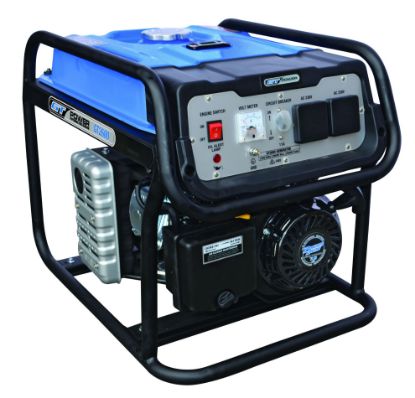
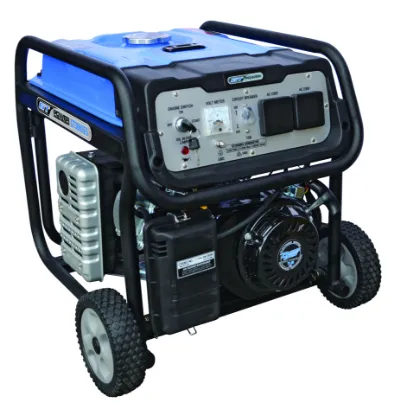
GT Power 2800W Electric Start Generator
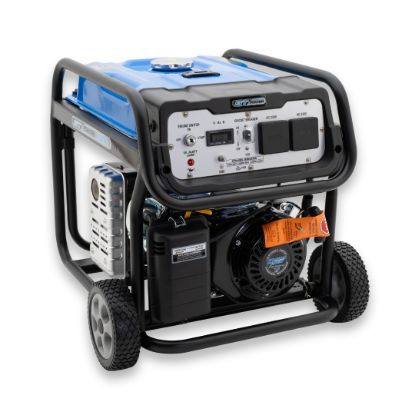
GT Power 3800W Electric Start Generator
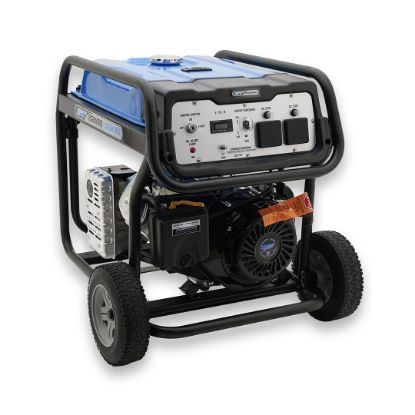
GT Power 5500W Electric Start Generator
Conventional generators - also called open-frame generators - run at a fixed engine speed to deliver maximum continuous output at a lower cost per watt than inverter models. Rugged and simple to service, they're built for worksites, farms, rural properties and backup where sustained high loads matter more than quiet running. Generator Shop stocks 16 conventional models from GT Power, Honda, Yamaha and Powermax, with outputs from 2.8 kVA up to 14.4 kVA and single- or three-phase options.
What conventional generators are used for
Conventional generators are the workhorse choice. On worksites they run circular saws, compressors, concrete tools and battery chargers all day. Farmers and rural property owners use them for shed power, pumps and backup when lines go down. As home and solar backup, a high-output model like the GT Power GT15000E (11.5 kW, 40 L tank) carries heavy household loads. They also power welders and high-draw tools - the GT10000ES supports welders up to 200 A - making them a favourite with builders and fabricators.
How to choose a conventional generator
Weigh four factors. Output - conventional models scale higher and cheaper, so size generously if you're running motors and power tools; a fridge, lights and a TV need ~2,500-3,000 W, while a workshop or a house with an electric jug climbs past 5,000 W. Phase - single-phase for homes and most tools, three-phase for industrial motors and commercial gear. Start type - recoil, electric or auto-start. Sensitive electronics - if you'll run laptops or modern appliances, choose a good digital-AVR model or an inverter instead. Because they're louder than silenced units, factor in where you'll run it. The Size Calculator confirms your wattage.
Frequently asked questions
What's the difference between conventional and inverter generators?
Conventional (open-frame) generators run at a fixed RPM and give you more raw watts for your dollar, but they're louder and their power is less refined. Inverter generators adjust engine speed, run quieter and cleaner, and are safer for sensitive electronics - but cost more per watt. For heavy tools and backup, conventional is often the value pick.
Can a conventional generator run sensitive electronics?
It can, but with more caution. Modern conventional models with a digital AVR produce reasonably stable power, yet for laptops, CPAP machines or high-end appliances an inverter generator is the safer choice. If you must run electronics off a conventional unit, keep the load steady.
Are conventional generators good for home backup?
Yes, especially if you need high output affordably. A model like the GT Power GT15000E covers heavy household loads, and units with a 2-wire input can pair with an automatic transfer switch. The main trade-off versus a silenced inverter is noise.
Is a conventional generator the same as an open frame inverter generator?
No. Both use an open, non-enclosed frame, but a conventional generator runs at a fixed engine speed for a lower cost per watt, while an open frame inverter generator uses inverter technology to deliver cleaner, electronics-safe power at a higher price. If you need pure sine wave output, see our Open Frame Inverter Generators range.




.png "Logo of Generator Shop")
